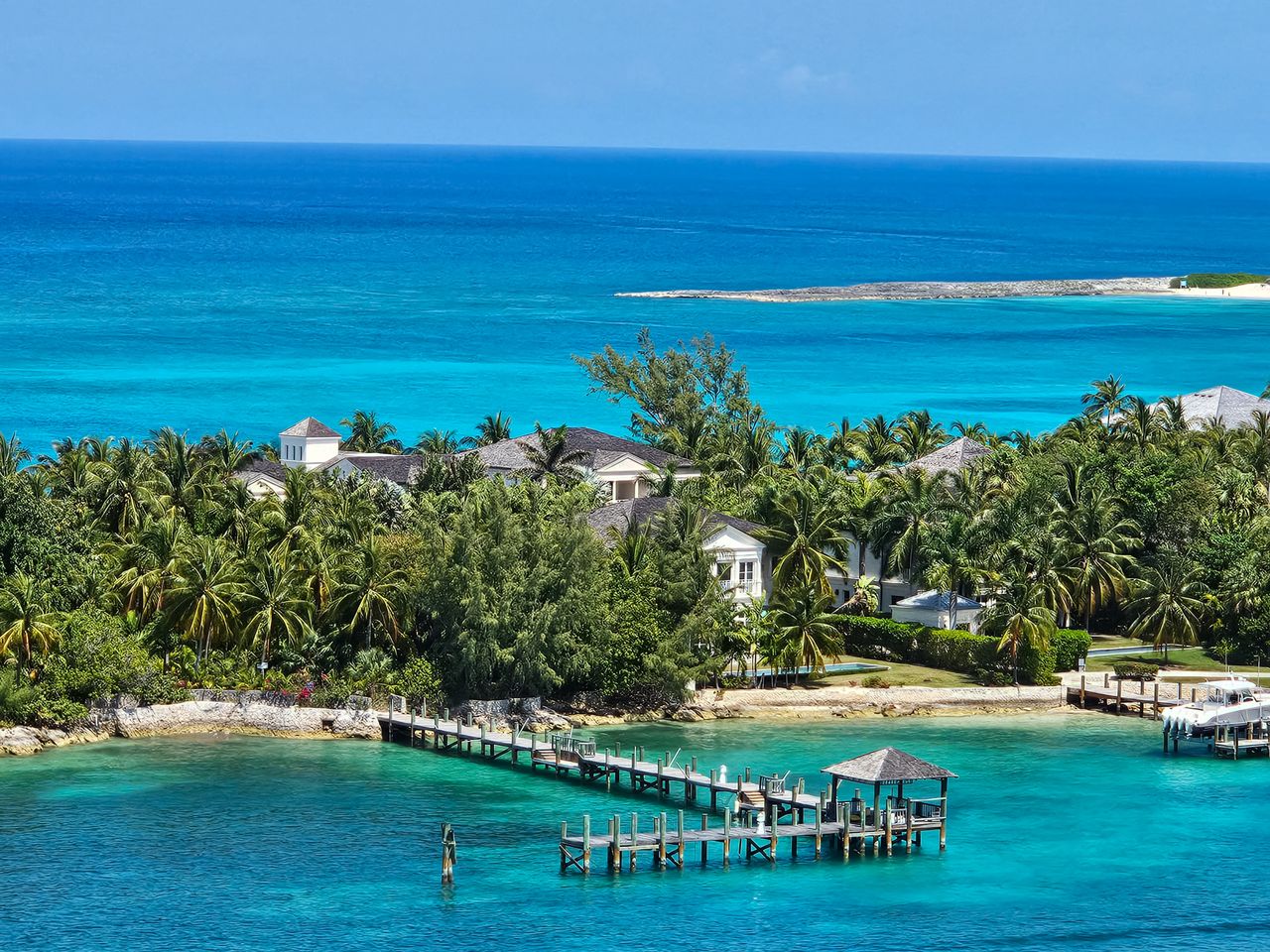
The Bahamas is more than a destination. It’s a collection of remarkably different island experiences. Finding the right place to stay can make all the difference between a good vacation and an unforgettable one.
When most travelers picture The Bahamas, a familiar image comes to mind: turquoise water, white-sand beaches, swaying palm trees, and long afternoons spent doing absolutely nothing.
And while those things are certainly part of the experience, they tell only a fraction of the story.
The Bahamas is an archipelago of hundreds of islands and cays, with each destination offering its own character, pace, and possibilities. A beachfront apartment in Nassau, a secluded cottage in Eleuthera, and a waterfront villa in the Abacos might all promise beautiful ocean views, but the experiences surrounding them can be dramatically different.
That’s why choosing the right accommodation isn’t simply about finding a beautiful property at the right price. It’s about understanding the destination, the neighborhood, and how you actually want to spend your time.
Here are a few things worth considering before booking your next Bahamian getaway.
1. Choose the Island Before the Accommodation
One of the most common mistakes travelers make is falling in love with a property before fully considering where it’s located.
The Bahamas offers a wide range of environments, from the energy of Nassau to the quieter communities of the Family Islands.
Nassau and Paradise Island: Convenience, culture, and variety
For first-time visitors, Nassau offers an accessible introduction to the country. Restaurants, historic attractions, shopping, nightlife, beaches, and organized excursions are all relatively close together.
Paradise Island brings a more resort-oriented environment, while neighborhoods across New Providence offer everything from waterfront condominiums to private vacation homes.
Nassau works particularly well for travelers who want a balance of relaxation and activity without spending much of their vacation arranging transportation between destinations.
Grand Bahama: Nature, space, and a slower pace
Grand Bahama offers a different kind of experience.
Beyond Freeport’s established tourism areas, visitors can explore pine forests, mangrove ecosystems, expansive beaches, and natural attractions such as Lucayan National Park.
For travelers who enjoy outdoor activities, less crowded surroundings, and the flexibility to explore by car, Grand Bahama can be an appealing alternative to Nassau.
Eleuthera and Harbour Island: Seclusion and coastal charm
Eleuthera is known for its long stretches of coastline, small settlements, and relaxed atmosphere. Nearby Harbour Island offers its famous pink-sand beaches, historic architecture, and a distinctive boutique hospitality scene.
These destinations are especially attractive to travelers seeking privacy, romance, or a more intimate island experience.
The Exumas: Unforgettable waters and island adventures
For visitors whose ideal vacation revolves around boating, snorkeling, sandbars, and exploring smaller cays, the Exumas offer an extraordinary setting.
Accommodation choices range from private villas to smaller guesthouses, but location and access to marine excursions deserve careful consideration.
The Abacos: Boating, island communities, and waterfront living
The Abacos appeal to travelers interested in sailing, fishing, boating, and exploring a network of island settlements.
For some visitors, the ideal accommodation might be less about direct beach access and more about proximity to a marina, ferry connection, or waterfront community.
The takeaway: There is no single best island in The Bahamas. There’s simply the island best suited to the experience you’re looking for.
2. Look Beyond the Listing Photos
Beautiful photographs are important, but they don’t always tell you everything you need to know about a property.
A vacation rental may have a stunning ocean view but sit a considerable distance from restaurants, supermarkets, or the attractions you’ve planned to visit.
Similarly, a property described as beachfront may offer direct access to the sand, or it may require a short walk along a public road.
Before confirming a reservation, consider asking:
- Is the beach directly accessible from the property?
- How far away are restaurants and grocery stores?
- Will we need a rental vehicle?
- Are there stairs, shared facilities, or access restrictions?
- Is the accommodation suitable for our entire group?
- Does the property have reliable internet access if we’ll be working remotely?
These details may seem small during the excitement of planning a vacation, but they often have a considerable impact on your daily experience.
A well-selected property should complement your travel plans, not complicate them.
3. Consider the True Cost of Your Stay
The nightly rate is only one part of the accommodation equation.
Depending on the property and booking arrangement, additional expenses can include cleaning charges, applicable taxes, service fees, transportation, security deposits, and optional amenities.
Transportation can be particularly important.
A lower-priced rental in a remote location may ultimately cost more than a centrally located alternative once car rental, fuel, taxis, or private transfers are considered.
The opposite can also be true. For families or larger groups, a vacation home with a kitchen, laundry facilities, and adequate shared living space may offer considerably more value than booking several separate hotel rooms.
Rather than comparing nightly rates alone, calculate the anticipated cost of the entire stay.
A useful approach: Add the accommodation total, mandatory fees, expected transportation expenses, and any essential services before comparing properties.
Value isn’t necessarily about finding the cheapest accommodation. It’s about getting the right experience for your budget.
4. Think About How You’ll Get Around
Island geography can be deceptive.
A destination that appears close on a map may require a ferry, domestic flight, boat transfer, or an extended drive.
Even within a single island, public transportation options can vary significantly by neighborhood and destination.
In Nassau, visitors can make use of taxis, rental vehicles, and local buses along established routes. On some Family Islands, renting a car or arranging transportation directly with a host may be considerably more practical.
For trips involving multiple islands, it’s particularly important to confirm travel connections before committing to accommodation dates.
Domestic flight schedules, ferry connections, and weather conditions can all influence the logistics of island hopping.
If you’re planning to visit more than one destination, allow sufficient time between connections and avoid assuming that travel between islands will be as straightforward as traveling between neighborhoods in a major city.
5. Choose the Right Type of Accommodation
The growth of vacation rentals and independent hospitality has created more opportunities for visitors to experience The Bahamas beyond traditional resorts.
But different types of accommodation serve different purposes.
Hotels and resorts can be ideal for travelers who prioritize organized services, staffed amenities, restaurants, and activities within a single property.
Vacation apartments and condominiums often appeal to couples, families, and longer-stay visitors who value additional living space, kitchens, and a greater degree of independence.
Private villas and vacation homes can offer privacy, group accommodation, and a more personalized environment, particularly for extended families or special occasions.
Boutique properties and locally operated guesthouses may provide a more intimate experience, often with valuable local knowledge and personal attention from the people managing the accommodation.
None of these categories is inherently better than the others.
The question is whether the property matches your expectations, travel style, and priorities.
6. Pay Attention to the People Behind the Property
One of the less obvious advantages of staying with a knowledgeable local operator is access to information that doesn’t always appear in a travel guide.
A good host may help you discover a nearby beach, recommend a trusted transportation provider, explain local customs, or suggest places to eat that you might otherwise overlook.
That local perspective can be particularly valuable for first-time visitors and travelers exploring destinations beyond Nassau.
Before booking, look for clear property descriptions, transparent policies, reliable communication, and evidence that the operator understands the needs of visiting guests.
If you’re booking directly with a property, verify the operator’s identity, confirm the full price and cancellation terms in writing, and use a secure payment method that provides an appropriate record of your transaction.
The quality of the communication before arrival can often be a useful indicator of what to expect during your stay.
7. Leave Room for the Unexpected
Some of the most memorable experiences in The Bahamas aren’t necessarily the ones scheduled months in advance.
An afternoon exploring a local settlement, an unexpected conversation with a resident, or a recommendation for a quiet stretch of coastline may become the highlight of your visit.
Rather than filling every day with activities, consider choosing accommodation that gives you the flexibility to explore at your own pace.
For shorter trips, proximity and convenience may be your priorities. For longer visits, space, independence, and a comfortable neighborhood can become more important.
And if you’re traveling during the Atlantic hurricane season, which runs from June through November, take additional care to understand cancellation policies, travel insurance coverage, and the flexibility of your transportation arrangements.
A little practical planning can leave much more room for spontaneity once you arrive.
A Better Stay Begins With a Better Choice
The beauty of The Bahamas is that no two visits need to feel the same.
You might spend one trip exploring Nassau’s restaurants and historic neighborhoods, another discovering Grand Bahama’s natural landscapes, and a third enjoying the quiet shores of Eleuthera.
Each offers a different perspective on the country, its communities, and its remarkable environment.
The key is to approach accommodation as more than simply a place to sleep.
Where you stay influences what you see, how you move around, the people you meet, and ultimately the memories you take home.
At BahamaBooking, we believe discovering the right place to stay should begin with understanding what makes each destination special.
Whether you’re planning your first trip or returning to explore somewhere new, take the time to look beyond the photographs, compare your options, and choose an experience that genuinely fits the way you want to travel.
Explore stays and discover more of The Bahamas at BahamaBooking.com.